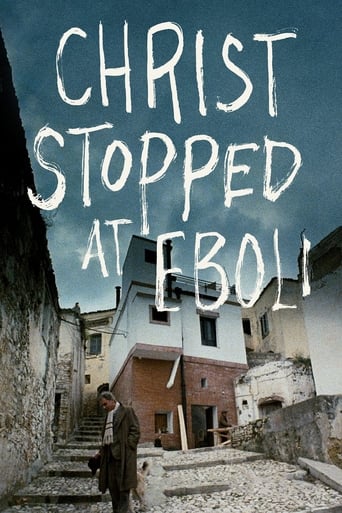
In the fascist Italy of 1935, a painter trained as a doctor is exiled to a remote region near Eboli. Over time, he learns to appreciate the beauty and wisdom of the peasants, and to overcome his isolation.
Young Father Giulio returns to Rome, where he was born and raised, to replace a priest who has left the clergy to start a family. He is delighted to reunite with his loved ones, especially his mother, sister, and old friends. Once radical leftists like Giulio himself, the latter are now each coping in their own way with the defeat of the revolution. Soon, however, Giulio realizes that despite his best efforts, he seems unable to solve the problems troubling those around him.
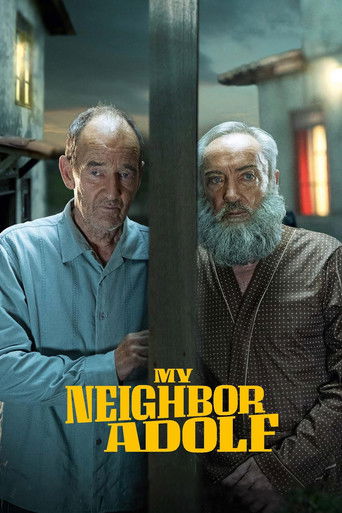
South America, 1960. A lonely and grumpy Holocaust survivor convinces himself that his new neighbor is none other than Adolf Hitler. Not being taken seriously, he starts an independent investigation to prove his claim, but when the evidence still appears to be inconclusive, Polsky is forced to engage in a relationship with the enemy in order to obtain irrefutable proof.
At the end of the 1950s in Africo, a small village in the southern valley of Aspromonte, a woman dies in childbirth because a doctor fails to arrive on time. No road connects Africo with the other villages. In the wake of this tragedy, all of Africo’s citizens -including children - abandon their usual occupations and unite to build their own road. Giulia, the new schoolteacher, comes from the North with a mission to teach standard Italian to help bring cultural cohesion with Africo and the rest of Italy. But she will have to contend with the local mafioso Don Totó, who is determined to ensure this the town remains cut off, and thus, under his power.
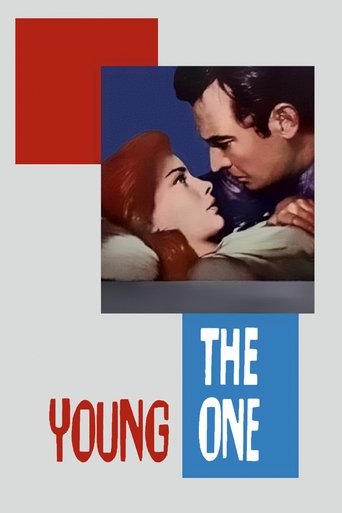
A jazz musician seeks refuge from a lynch mob on a remote island, where he meets a hostile game warden and the young object of his attentions.
A young woman in early-1900s Italy searches for a mystical sanctuary where her stillborn child can be brought back to life long enough to be baptized.
Carlo and Elisa are a successful couple. He’s a university professor and writer facing a creative block; she’s a brilliant, sharp-witted journalist, known for her internationally published editorials. They live in Rome, moving between accomplishments and routine, affection and something that might be fading. In search of new energy, they travel to Morocco with their lifelong friends, Anna and Paolo, and their thirteen-year-old daughter Vittoria—bright, curious, a little eccentric. Tensions soon rise.
Adriano is a middle-aged man living in a dilapidated villa in Tuscany, when a group of young idealistic students arrives to restore the villa's vineyards.
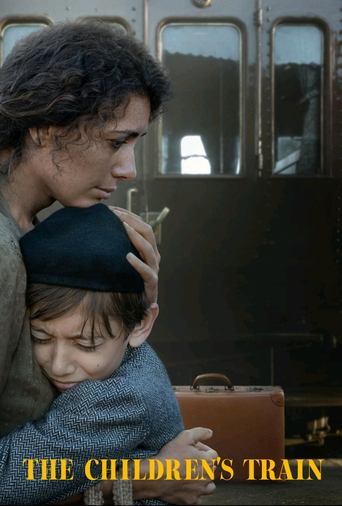
In late 1940s Italy, a mother makes the difficult decision to send her son to the north, where he catches glimpses of a new life away from poverty.
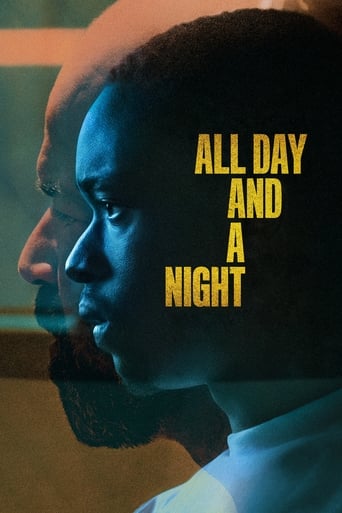
While serving life in prison, a young man looks back at the people, the circumstances and the system that set him on the path toward his crime.
A middle-aged man, Pietro, becomes a widower and must take care of his daughter. He will never have the time to delve into his own pain, committing himself to raising his daughter with love and dedication, in an all-encompassing relationship in which one heals the other's wounds through his own. When, after a few years, he tries to start a new life with a new partner, not everything will go as hoped: his daughter's reaction will be exaggerated and Pietro will be put to the test. He will find himself struggling between anger and paternal instinct.
In a small suburb on the outskirts of Rome, the cheerful heat of summer camouflages a stifling atmosphere of alienation. From a distance, the families seem normal, but it’s an illusion: in the houses, courtyards and gardens, silence shrouds the subtle sadism of the fathers, the passivity of the mothers and the guilty indifference of adults. But it’s the desperation and repressed rage of the children that will explode and cut through this grotesque façade, with devastating consequences for the entire community.
Eccentric British painter J.M.W. Turner lives his last 25 years with gusto and secretly becomes involved with a seaside landlady, while his faithful housekeeper bears an unrequited love for him.
At the end of World War II, shallow, self-centered Mara is the prettiest girl in her small Italian village; Bebo is a Communist partisan who is finding it difficult to adjust to the dull banalities of life in peacetime. When Mara’s father, a passionate Communist, declares that his daughter will marry the returning hero, her reactions range from joy to bitter resentment.
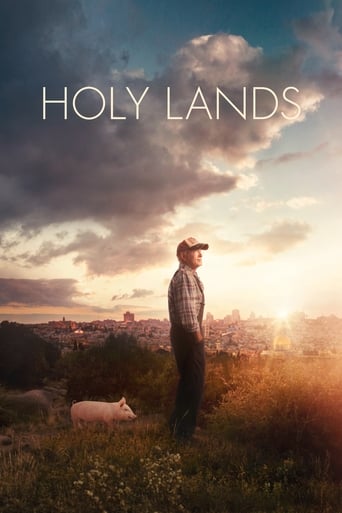
When lapsed Jew and former cardiologist Harry suddenly decides to spend his retirement as a pig farmer in Nazareth, Israel, the move deeply shocks his family and his new neighbours. Back in New York, Harry’s ex-wife Monica is trying to manage the lives of their adult children, Annabelle and David, as well as her own.
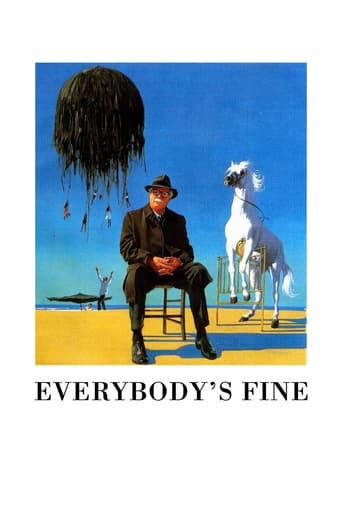
Matteo Scuro is a retired Sicilian bureaucrat, a widower with five children, all of whom live on the mainland and hold responsible jobs. He decides to surprise each with a visit and finds none as he imagined.
Lugano, Switzerland. Titta Di Girolamo is a discreet and sullen man who has been living for almost a decade in a modest hotel room, a prisoner of an atrocious routine, apparently without purpose. His past is a mystery, nobody knows what he does for a living, he answers indiscreet questions evasively. What secrets does this enigmatic man hide?
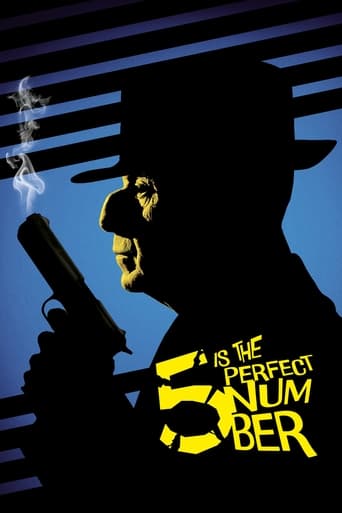
Peppino, a retired hitman for the Camorra, has now fully passed on his job and know-how to his single son, Nino. But when Nino is brutally assassinated, the old man is back in business to take revenge. Aside his everlasting love Rita and his longtime henchman Totò, Peppino will go to any lengths, even if it means bringing the Camorra down.
Fleeing from his enemies in the Catholic Church, the free thinking philosopher, poet and scientist Giordano Bruno has found some protection in Venice. But the Roman Inquisition, fearing his influence in Europe, wants to bring him on trial for 'heresy'.
Activate Your Account!
You must create an account to continue watching